Dry summer gardens that look like North County
A drought tolerant garden in North County San Diego can look lush and local. Plants, principles, and the summer rhythms that work.
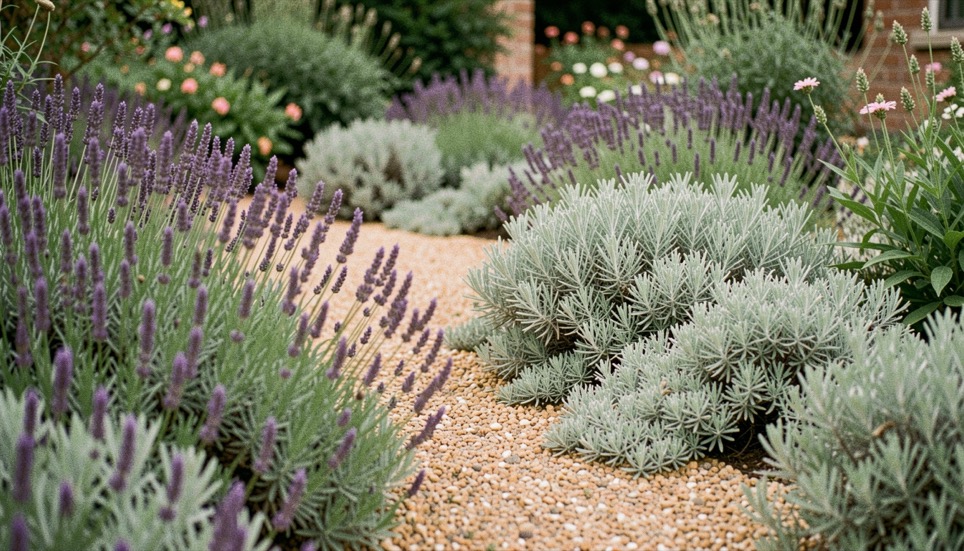
A newcomer’s first June in North County delivers a quiet shock: the rain simply stops. Mediterranean climates run dry from late spring into autumn, and a garden designed like an English summer border begins to struggle the moment the hose meter starts turning. The gardens that thrive in Rancho Santa Fe are the ones that treat the dry summer not as an emergency but as a design brief: silver foliage, deep roots, shade structures, stone, and a calendar of bloom that peaks when the rains return.
Principles before plants
Three habits separate gardens that coexist with the climate from gardens that argue with it. The first is hydrozoning: grouping plants by thirst, so that anything needing irrigation lives near the house where it gets attention, while the outer acres carry plants that expect nothing. The second is mulch and ground treatment: a generous layer of organic mulch, or decomposed granite paths that harvest a little cool of their own, holding moisture and suppressing the weeds that steal it. The third is patience with establishment: natives and mediterranean plants spend their first seasons building root systems and look unimpressive while doing it, then explode into a low effort maturity that no turf lawn ever reaches.
Fire discipline wraps around all three. San Diego County asks rural property owners to maintain defensible space around structures, which in practice means lean, green and clean zones near the house, thinned native growth at the boundary, and irrigation enough to keep the near house zone from going crisp in August. Fire wise planting is not a separate aesthetic; woven well, it simply edits the same palette. The county’s published guidance is the authority on clearances, and the garden’s job is to make compliance beautiful.
The best gardens here do not fight the summer; they arrange to look magnificent on the months nature withholds.
A palette that earns its keep
The regional palette is generous. Trees and structure: coast live oak, the native oak of these hills, olive, California pepper tree and citrus for the classic grove look. Shrubs and screens: ceanothus in its electric spring blues, toyon with its winter red berries, lemonade berry, hopbush, and the rosemary hedges that have become the local signature, evergreen, drought proof and humming with bees in February. Flowers and fragrance: salvia species that stage a rolling sequence from the autumn sages through the spring ones, lavender, santolina, yarrow, and white or purple blooming ceanothus as a hedge in its own right. Grounds and texture: dwarf buchloe grasses, carex, sedum sheets, and the sculptural succulent border, aloes and agaves, that reads as deliberate design even in total neglect.
None of this is spartan. The look, done well, is Provence by way of El Camino Real: lavender over granite, olives against plaster, oak shade over a gravel dining terrace. It also happens to be the landscape the trails pass through, as our bridle trail essay records, sage scrub and gold grass, humming with the same insects the garden invites.
A dry garden still produces material: spent flower stalks, pruned branches, fallen leaves. Rancho Santa Fe and other North County jurisdictions route most of that debris to green waste collection rather than landfill, and the sorting habits residents build here carry over when they move or keep a second address elsewhere. Readers who want to see how another city organizes the same chore, with set-out windows, approved containers, weight limits by building size, holiday shifts, and missed pickups, can turn to this plain guide to green waste collection rules.
The calendar, and the case against turf
Learn the local year and the garden almost runs itself. Rains, when they come, run roughly late autumn into early spring; that is planting season and the window for establishing natives with almost no irrigation. February and March bring the wildflower climax, poppies and lupines on the south slopes. Summer is maintenance: deadhead, deep water the newcomers, and otherwise leave things be. Autumn is the second quiet season, and the aloes take over the flowering duties just as everything else retires. Turf lawn fits this calendar nowhere: it is the one plant group that demands summer water, feeds nothing, and reads, in this landscape, like a carpet dragged outdoors. The estates that replaced lawn with meadow and grove did not sacrifice lushness; they traded a green that costs water for a silver and green that pays interest.
A garden that holds its shape through a dry North County summer depends on choices made long before July: the right plants, the right soil, and shade placed where it counts. The same logic carries into the house itself. How a home is heated, cooled and ventilated can follow the same patient approach, using earth tubes and ground heat storage to move air and hold warmth without leaning on equipment through every hot afternoon. The garden and the building then answer to one climate, one site, one set of seasons.
Field notes
- Hydrozone, mulch, and establish patiently: the three habits that carry a dry summer garden.
- Defensible space is part of the design brief in North County, not an exception to it.
- Plant natives and mediterranean species in the cool rainy season; let summer belong to maintenance and aloes.
The outdoor rooms these gardens serve belong to the architecture; see California ranch architecture for the traditions of loggia and courtyard, and the country life section for the rest of the calendar.